



After a slip and fall, you may focus on the immediate cause of the accident. You encountered a broken step, poor lighting, slick flooring, or a missing handrail, and then you got hurt. That first impression is important, but a strong claim usually goes deeper than the visible hazard alone.
In many cases, building codes and safety rules help explain what the legal aspect of the hazard was in the first place. These rules set minimum standards for how someone should build, maintain, and accident-proof properties. When a property owner ignores those standards, that lapse can become important evidence in a slip-and-fall claim.
Documentation, inspections, and the condition of the property play a major role in proving negligence. Read on to learn more from our Las Vegas slip-and-fall accident lawyers.
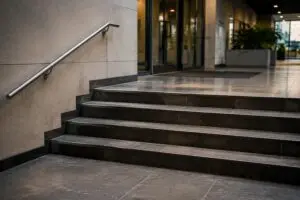
The Purpose of Building Codes and Safety Rules
Building codes and safety regulations exist to reduce preventable injuries on the premises. They address common risks that property owners should anticipate and correct before someone gets hurt.
These standards may apply to things like flooring and walking surface conditions, stair design, handrails, lighting, and hazard markings or warnings. Some rules apply during construction. Others apply to ongoing maintenance and safe operation of the property. These standards help define what a reasonably safe property should look like.
For your claim, the exact rule at issue depends on the location, structure, and condition that caused your fall.
Why Code Violations Matter in a Slip-and-Fall Case
In a slip-and-fall claim, you usually need to show that the property owner failed to use reasonable care to prevent your accident. Building codes and safety rules can help with that because they provide an outside standard to measure the condition against.
A stairway may have lacked a required handrail, or the lighting may have fallen below a safe level. Each factor can support the argument that the property owner failed to maintain safe conditions. The case becomes stronger when the hazard was not just dangerous in a general sense, but also out of line with recognized safety standards. This misalignment can help prove that a property owner or maintainer failed in their duty of care.
That does not mean every code issue automatically guarantees liability. However, a code violation can give your claim a clearer foundation. Instead of arguing that the property “looked unsafe,” a premises hazard injury lawyer in Las Vegas can pinpoint a specific, established standard that the condition failed to meet.
Common Property Conditions That Raise Code Issues
Some slip-and-fall cases involve hazards that overlap with building or safety standards. These may include uneven flooring. A height difference between walking surfaces can create a serious trip risk, especially in entryways, stair landings, and transition points between areas.
Poor lighting is another problem. If you could not see a stair or an obstacle in your path because the area was too dark, that condition may raise safety concerns beyond ordinary maintenance.
Missing handrails also present dangers. Staircases, ramps, and elevated walking areas often require railings that must meet specific standards for placement and support. If a handrail is missing, loose, or improperly placed, that defect can become central to the claim.
You may also see code-related issues in cases involving worn stairs, slippery surfaces, missing hazard markings, broken tiles, or poorly maintained common areas. Each of these can play a significant role in your slip-and-fall claim.
Cases Can Hinge on Documentation
If building codes may be part of the claim, documentation matters even more. The property’s condition may change quickly after a fall. The owner may replace a broken tile, repair a loose handrail, or change a dead light bulb. If the scene changes before anyone documents it, you may lose key evidence.
Get as much photo proof of the accident scene as possible, including any hazards that contributed to your fall. This may include:
- Lighting conditions
- Stairways, railings, or uneven floor transitions
- An object or building feature obstructing the walkway
- A wet or cluttered floor
- Warning signs, or the lack thereof
If there are witnesses, get their contact information. Your attorney can call them in for statements later on.
In some cases, measurements, maintenance records, inspection reports, or expert evaluations may also become important. An attorney can help you collect this evidence, which can help show whether the property met or fell short of accepted standards.
You should also photograph your injuries (if they are visible) and see a doctor as soon as possible. If your doctor recommends imaging, follow through. You may be worried about the cost of the testing. However, insurance will often cover your costs. The last thing you want to do is skip testing and leave a big question mark in your medical record about the severity of your injuries. Insurers will notice this gap and twist it in their favor.
Be consistent with your medical treatment plan. Attend follow-up appointments and therapies and keep a record of your medical notes, referrals, prescriptions, and medical costs. You should also keep track of your days off work and missed income.
A code violation can strengthen the negligence side of the case, but the claim still depends on showing how the hazard affected your physical and financial health.
Increasing Claim Value Through Code Violations
When a code violation supports your case, it can make it harder for the defense to frame the fall as a random accident. With the help of a reliable lawyer, your claim starts to look more like a preventable injury tied to a condition that the property owner should have corrected earlier.
That can affect how the law evaluates liability and how seriously it treats the claim. If the owner failed to meet a clear safety obligation, that failure can support your argument for compensation tied to medical bills, lost income, pain, suffering, and other damages connected to the fall.
The claim’s value still depends on the full facts of the case, including the severity of the injury and the strength of the evidence. Still, code-related proof can make the negligence argument much stronger.
Focus On Your Rights
If you were hurt in a slip-and-fall, the thought of suing might seem too complicated to bother with. It may feel easier just to let it go than to pursue the compensation you deserve. But now that you know the importance of safety laws and building codes, compensation may feel closer than before.
Property condition can make a big difference in every slip-and-fall claim. Any lapse in standards can become powerful evidence. If you document the scene carefully and preserve the property’s condition early, you put yourself in a better position to defend your rights and move on from the incident with confidence.