



If you’re a construction worker, we don’t have to tell you that you’re part of one of the most physically demanding and hazardous occupations in the country. From lifting heavy loads to working on uneven surfaces, your body—especially your back and spine—endures constant strain.
Back and spine injuries are not only among the most common workplace injuries in construction, but they’re also some of the most devastating, often leading to chronic pain and long-term disability. They can end your career and your quality of life.
In this article, our Las Vegas work injury attorneys help you become more aware of back and spine injury risks and give you some practical steps to protect yourself. They also help you understand workers’ compensation laws so you know how to get full compensation for work-related back and spine injuries.
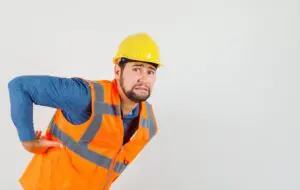
(8photo/Freepik)
The Physical Demands of Construction Work
Construction jobs demand repetitive lifting, bending, and twisting motions that strain your muscles, ligaments, and vertebrae. Even when you’re following safety protocols, the repetitive nature of tasks—like carrying materials, climbing ladders, or operating heavy machinery—puts constant pressure on your spine. Over time, this repeated stress makes your back more vulnerable to injuries, ranging from minor sprains to severe herniated discs.
Think about how often you’re required to lift loads that exceed safe weight limits, sometimes in awkward positions or without proper equipment. Each time, you deal with an increased risk of acute injuries like muscle tears or cumulative injuries that build up over weeks and months of physical labor.
In addition, construction deadlines and pressure to stay productive can lead to cutting corners on safety. Maybe you’ve been told to carry loads without help or skip using equipment because “it takes too long.” These shortcuts save time in the moment but put your back and spine at serious risk.
Hazardous Work Environments and Safety Risks
Unlike an office environment, a construction site is unpredictable. You face slippery surfaces, unstable scaffolding, falling objects, and uneven terrain—all of which increase the likelihood of sudden, severe back and spine injuries.
The very nature of construction work also means accidents are often more violent. Falling from a ladder or scaffolding, or being struck by heavy equipment, can result in traumatic spinal injuries that require surgery, rehabilitation, and months of recovery. These injuries can alter the course of your life, leaving you with limited mobility or permanent disability.
Common Back and Spine Injuries in Construction
While every injury is different, some types show up repeatedly among construction workers:
- Herniated Discs: When the cushioning between your vertebrae slips or ruptures, it can press on nearby nerves, causing severe pain and limited movement.
- Spinal Fractures: Falls or heavy impacts can fracture vertebrae, often requiring extensive treatment or surgery.
- Chronic Strains and Sprains: Repeated heavy lifting or twisting can damage muscles and ligaments, leading to ongoing pain.
- Spinal Cord Injuries: In the most serious cases, trauma can damage the spinal cord itself, resulting in paralysis or significant loss of function.
These injuries don’t just affect your ability to work. They interfere with nearly every part of your daily life, from playing with your kids to driving a car.
The Long-Term Impact of Back and Spine Injuries
While some types of injuries heal without a trace, back and spine injuries often cast long shadows. A herniated disc might keep you out of work for weeks, or a spinal fracture could mean months of rehabilitation. In some cases, you may never return to the same level of physical activity you had before the injury.
Chronic pain is another reality many construction workers face after back and spine injuries. This ongoing pain can affect your sleep, mental health, and overall quality of life, making it harder to provide for your family or enjoy activities you once loved.
Protecting Yourself on the Job
While you can’t eliminate all risks, you can take steps to protect your back and spine while working construction.
- Use proper lifting techniques—bend your knees, not your waist.
- Don’t be afraid to ask for help with heavy loads.
- Make use of mechanical lifting equipment when it’s available.
- Never skip safety gear like harnesses when working at heights.
- Listen to your body. If you feel pain or strain, don’t push through it.
- If you get injured, report your injury immediately to your work supervisor.
- See a doctor right away and follow up with all recommended medical appointments and therapies.
- Don’t return to work any earlier than your doctor recommends—even if your employer is pressuring you.
Reporting Your At-Work Injuries for Workers’ Comp
If you sustain a back or spine injury on the job, start by reporting your injury to your supervisor. They should start the proper paperwork for workers’ compensation and send you to a doctor who is contracted with their insurance company.
Make sure to attend all medical appointments to show that your injuries are legitimate and that you are dedicated to healing and getting back to work.
When to Seek Legal Help After a Back or Spine Injury
Even if you follow every safety rule, accidents happen. When they do, workers’ compensation is designed to cover your medical bills and lost wages. But in reality, you may face pushback from your employer or their insurance company.
They might try to blame your injury on a pre-existing condition, argue that you weren’t following safety rules, or pressure you to return to work before you’re ready. They might delay your claim or try to retaliate against you for reporting your injury in the first place.
This is when seeking help from an attorney can help. Look for an attorney who specializes in your type of injury, such as an at-work spine injury attorney.
An attorney can help you:
- Prove your injury was work-related
- Ensure your medical treatments are covered
- Fight against unfair denials or delays from insurance companies
- Secure compensation for lost wages and long-term disability (if necessary)
By having legal support, you can focus on your recovery while knowing your rights are being protected.
Protecting Your Back, Protecting Your Future
As a construction worker, your body is your livelihood. Back and spine injuries are not just a pain—they can be life-changing. By understanding the risks, practicing safe work habits, proactively reporting injuries to your employer, complying with medical care, and seeking legal support when needed, you can protect both your health and your financial future.
Contact our Las Vegas work injury attorneys to find out more about how to get the benefits you’re entitled to for back and spine injuries.