



In the moments after a car accident, your first instinct might be to share the experience with friends and family on social media. Maybe you post a photo of the damage, update your status about the crash, or simply check in at the hospital. But what seems like a harmless way to keep loved ones informed could become a costly mistake when it comes to your insurance claim.
Our Las Vegas car accident injury attorneys have seen too many car accident cases sabotaged by well-intended social media posts. In this article, we’ll talk about what insurance companies can access and how they can use content against you.
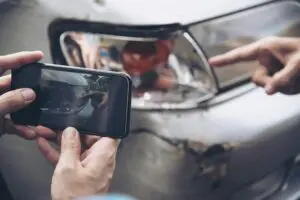
(jcomp/Freepik)
Why Insurance Companies Monitor Social Media
Insurance companies are in the business of minimizing payouts. Every dollar they save on your claim is a dollar added to their bottom line. To achieve this goal, insurers employ investigators and adjusters to monitor your social media accounts, often with the help of sophisticated software.
Social media provides insurance companies with information about claimants’ daily activities that can be used to reduce or deny compensation. They’re looking for any content that contradicts your injury claims, makes your condition seem less serious, or suggests you’re being dishonest about the accident.
This monitoring can begin almost immediately after you file a claim—sometimes within hours. Investigators comb through platforms like Facebook, Instagram, TikTok, Snapchat, Twitter, and even LinkedIn, searching for posts, photos, videos, comments, and tags that could work against you.
You may think you’re off the hook if the other party was at fault for the accident, but that’s not necessarily the case. That’s because Nevada follows a modified comparative negligence rule, which means the other party can decrease their liability (and payout) if they can show that you shared fault. Insurance companies will use any social media evidence they can find to shift more of the blame onto you, potentially reducing your compensation.
Is This Legal?
Insurance companies cannot hack into your private social media accounts or impersonate someone to get access to private content. However, they can:
- View any publicly available content on your social media channels
- Use publicly available posts, photos, and videos as evidence for the investigation of your accident claim
- Hire investigators to monitor your public social media activity
- Request access to your social media accounts as part of the legal discovery process (if you’ve filed a lawsuit)
What Types of Social Media Content Can Hurt Your Claim?
Almost any online activity can potentially be used against you, even content that seems completely innocent. Here are some of the most common ways social media undermines accident claims in Nevada:
Photos and Videos of Physical Activity
Perhaps the most damaging evidence comes from images or videos showing you participating in physical activities that contradict your reported injuries. A man who claimed neck injuries requiring surgery had his case dismissed after posting pictures on Facebook showing him completing an obstacle course. Even something as simple as dancing at a wedding, playing with your kids, or going for a hike can be twisted to suggest your injuries aren’t as serious as you claim.
Check-ins and Location Tags
Posts about a day at the beach, a concert, or a vacation can be used to argue that you’re not experiencing the pain and limitations you’ve described. Insurance adjusters may claim that if you’re well enough to travel or attend social events, your injuries must be minor.
Comments About the Accident or Your Injuries
Any statements you make about the crash, your physical condition, or your recovery can be scrutinized. Even casual comments like “feeling better today” or “finally back to normal” can be used to minimize the value of your claim, even if they don’t reflect the full picture of your recovery.
Posts by Friends and Family
You’re not the only one who needs to be careful. Insurance companies may monitor the accounts of friends and family members who post about the accident or your recovery. A well-meaning relative’s comment about your improving condition or a photo they post of you at a family gathering could contradict your injury claims.
Statements That Could Suggest Fault
Anything you post that could be interpreted as an admission of fault—even something as innocent as “I should have been paying more attention”—can be used against you. Nevada has an at-fault insurance policy, which means the driver responsible for the accident is also responsible for damages. Any evidence suggesting you share blame can reduce or eliminate your compensation.
This could even include comments that suggest you support illegal driving practices. For example, let’s say the opposing insurance company is trying to show that you were using your phone while driving. If you share a “funny” meme about texting while driving (or comment on one your friend posted), it could strengthen the case against you.
Are Privacy Settings Enough to Protect You?
Many people believe that if they adjust their privacy settings to limit who can see their posts, they’re safe from insurance company surveillance. Unfortunately, this is a dangerous misconception.
Courts often allow social media as evidence to be shared during legal proceedings, in spite of privacy settings. During the legal discovery process, insurance companies can request access to your social media accounts and archived content, and courts generally grant these requests if the information is deemed relevant to your claim.
Even deleted posts aren’t necessarily safe. Digital content can often be retrieved, and deleting posts after an accident could actually make things worse. Courts may view the deletion of social media content as destruction of evidence, which can seriously damage your credibility and your case.
Additionally, insurance companies have been known to “friend request” claimants as a way to gain access to their content. You may accept their request without realizing they are actually an investigator. Once accepted, they have full access to everything you share.
How to Protect Your Claim
If you’ve been in a car accident in Nevada, follow these guidelines:
Stop Posting Immediately: The safest approach is to halt all social media activity after an accident. Refrain from posting photos, status updates, or comments about anything—not just the accident. Even posts that seem completely unrelated or benign can be taken out of context and used against you.
Don’t Delete Existing Content: While it might be tempting to go through your accounts and delete potentially problematic posts, don’t do it. Deleting content during an active claim can be viewed as destroying evidence and can seriously damage your case. Instead, consult with an accident attorney about how to handle existing content.
Increase Your Privacy Settings: While privacy settings won’t completely protect you, they can make it harder for insurance investigators to access your content. Set all your accounts to the highest privacy level and limit who can see your posts, photos, and personal information.
Don’t Accept Unknown Friend Requests: Be extremely cautious about accepting friend requests or connection requests from people you don’t know personally. That friendly stranger could be an insurance investigator trying to gain access to your private content.
Talk to Friends and Family: Have a conversation with your loved ones about not posting anything about your accident, your injuries, or your recovery. Ask them not to tag you in photos or posts and to avoid mentioning you in connection with the accident.
Be Careful About What Others Post: Even if you’re not posting, others might post about you. Monitor what you’re tagged in.
Online Silence is Golden
The impact of social media on car accident claims isn’t just theoretical. People have lost tens of thousands of dollars in compensation because of their social media activity.
The problem is that social media rarely tells the complete story. A single photo can’t capture the hours of pain that preceded or followed it, or the fact that you had to rest for days afterward. But insurance adjusters don’t care about context. They care about finding reasons to pay you less.
Your social media presence is no longer just a way to connect with friends and family—it’s potential evidence in your insurance claim. Treat it accordingly, and don’t let a single post cost you the compensation you deserve.
Have more questions? Our auto accident attorneys serve Henderson, Summerlin, and Las Vegas and can help you navigate your accident case, including complexities surrounding social media.